

Spring · Lawn · Updated September 2026
White scale vs. black scale on Austin crape myrtles and shrubs
White, felt-like scale and hard black scale both weaken shrubs and leave sticky honeydew. How to tell them apart and treat them.
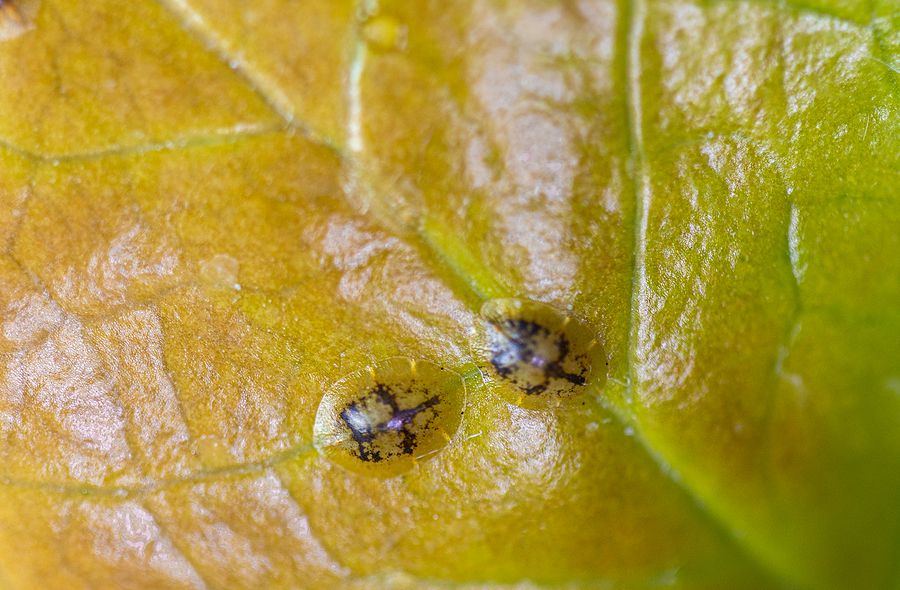
If your crape myrtle's bark is streaked with black sooty mold, or the patio under a shrub is sticky, look for scale. These insects stay put, suck sap, and drip honeydew that grows black mold.
White scale
Crape myrtle bark scale looks like white or gray felt patches on the bark, often in branch crotches and pruning cuts. Crush one and it leaves a pink-red smear. It's become one of the most common problems on Austin crape myrtles.
Black scale
Soft scales look like hard, shiny brown-to-black bumps about 1/8 inch across on stems and leaves. They show up on hollies, camellias, citrus, and many ornamentals, and they produce a lot of honeydew.
How we treat both
Scale hides under its own cover, so surface sprays miss most of it. We use a systemic treatment that the plant takes up, which reaches scales feeding underneath. Timing it for the crawler stage in spring helps. Heavily infested branches are worth pruning out.
What you can do
- Scrub light infestations off the bark with soapy water and a soft brush.
- Avoid heavy nitrogen on shrubs, which encourages scale and aphids.
- Check new plants before you put them in the ground.


